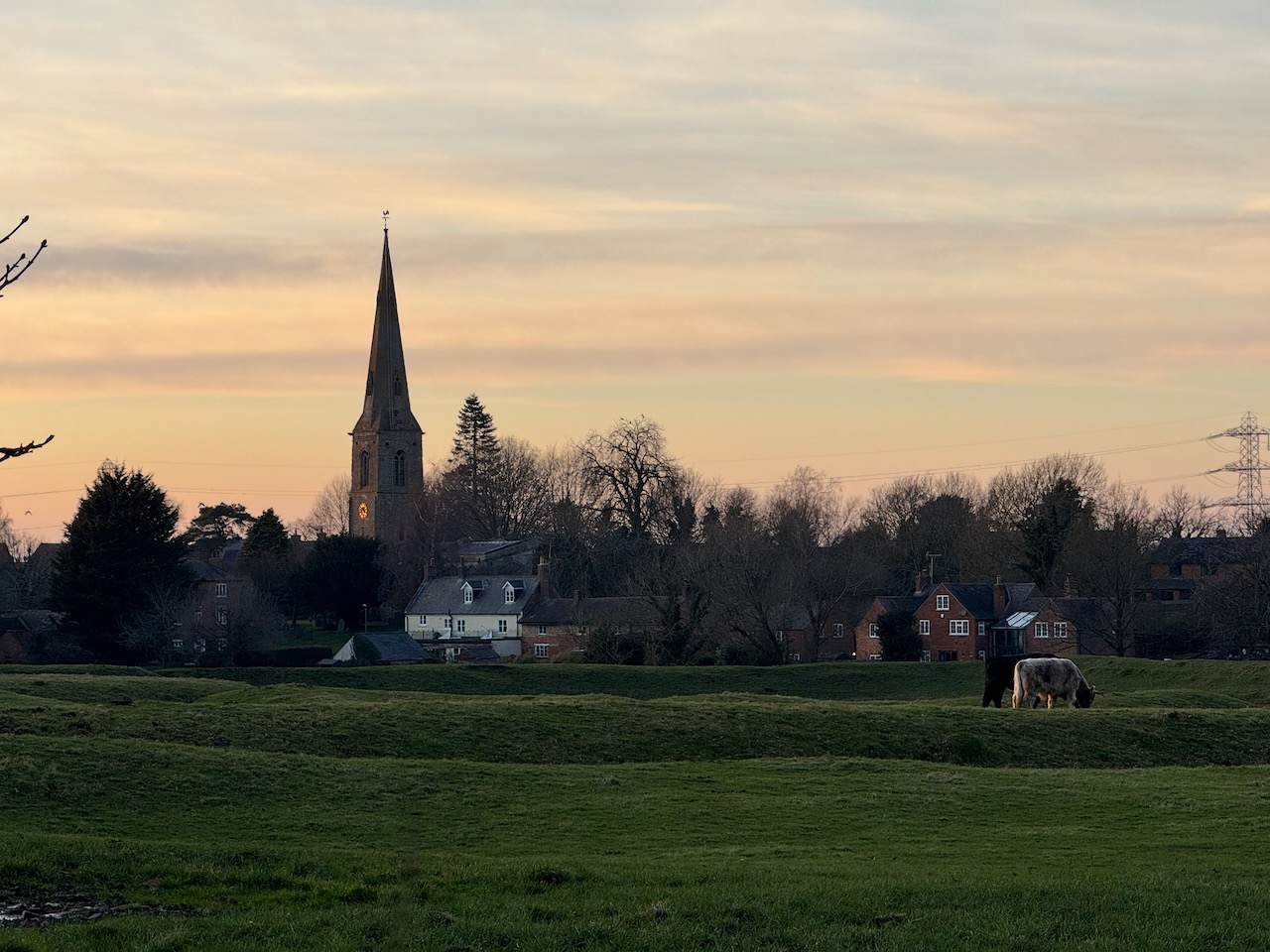
Est. before 1086
History of Braybrooke
Over a thousand years of village life, recorded in the Domesday Book and brought to life in the remarkable Braybrooke Tapestry.
Community Heritage
The Braybrooke Tapestry
Created in 2014, the Braybrooke Tapestry is a stunning community artwork comprising ten needlework panels, each depicting a century of village life from 1000–2000 AD. Each panel was handcrafted by a different community member.
The original concept was by Barbara Lynch, with artwork by Geoff Tiney. The tapestry is on permanent display in the village.
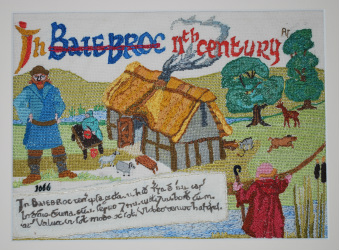
The Ten Panels
A Thousand Years
Village Timeline
- Saxon family (Chetelbert) living by the river
- Braybrooke briefly incorporated into Rockingham Forest
- Recorded in the Domesday Book
- Church comes under the patronage of Daventry Priory
- Intermarrying of Saxon and Norman families
- Pipewell Abbey Grange established
- Church font depicting a fish eating a mermaid carved
- Fishponds first mentioned around 1200
- Development of East Hall Manor
- Sir Thomas Latymer takes possession of the Manor
- Pipewell Abbey improves the Grange
- Development of fishponds to the west
- East Hall Manor becomes Braybrooke Castle (1303–04)
- The Black Death arrives in the village
- Local plants and herbs used to combat the plague
- Effigy of Sir Thomas Latymer placed in the Church
- Tower added to All Saints Church
- Czech scholars at the Castle translate Lollard texts
- Stone bridge completed over the stream
- Castle estate passes to the Griffin family
- Griffin Chapel added to All Saints Church
- Queen Elizabeth I visits Sir Thomas Griffin in August 1564
- Castle described as being in good repair
- Griffin family memorial installed in the Church
- King James I visits the Castle in 1605
- Castle is demolished (used as Dower House by Griffin family)
- Rev. John Mapletoft leaves £50 for children's education
- The Swan Inn opens in the village
- Common and open fields are enclosed
- Dramatic robbery at Castle Farm — £1,600 stolen
- Sun Inn opens
- Vamp Horn used in Church services
- First National School established in the village
- Village labourers travel to the Great Exhibition by train
- Baptist Community established on Griffin Road
- Jubilee tree planted on the village green
- Arrival of mains water, sewage, electricity, and telephone
- Village involvement in both World Wars
- WI, summer fete, Morris Dancers and Cricket Club all established
- Braybrooke Castle demolished 1960–1963
For the Record
Heritage Projects & Publications
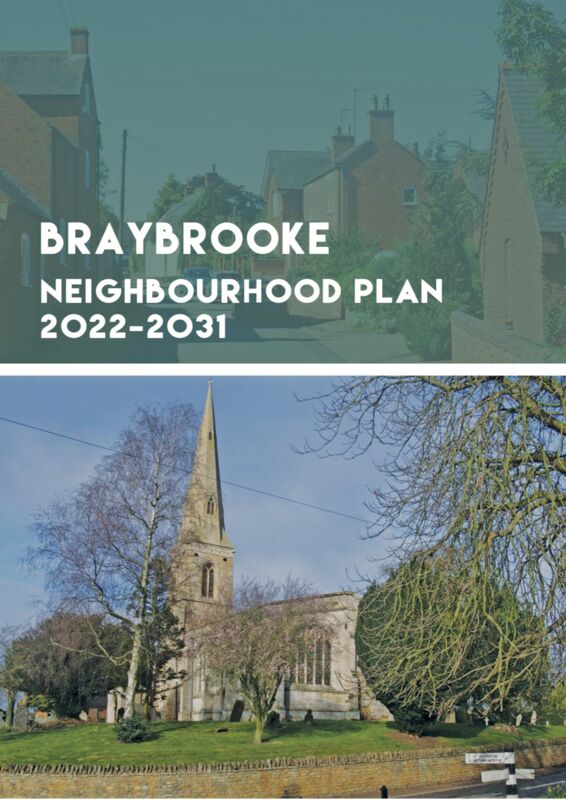
Neighbourhood Plan
The community's vision for the future development of the village and parish.
Read the plan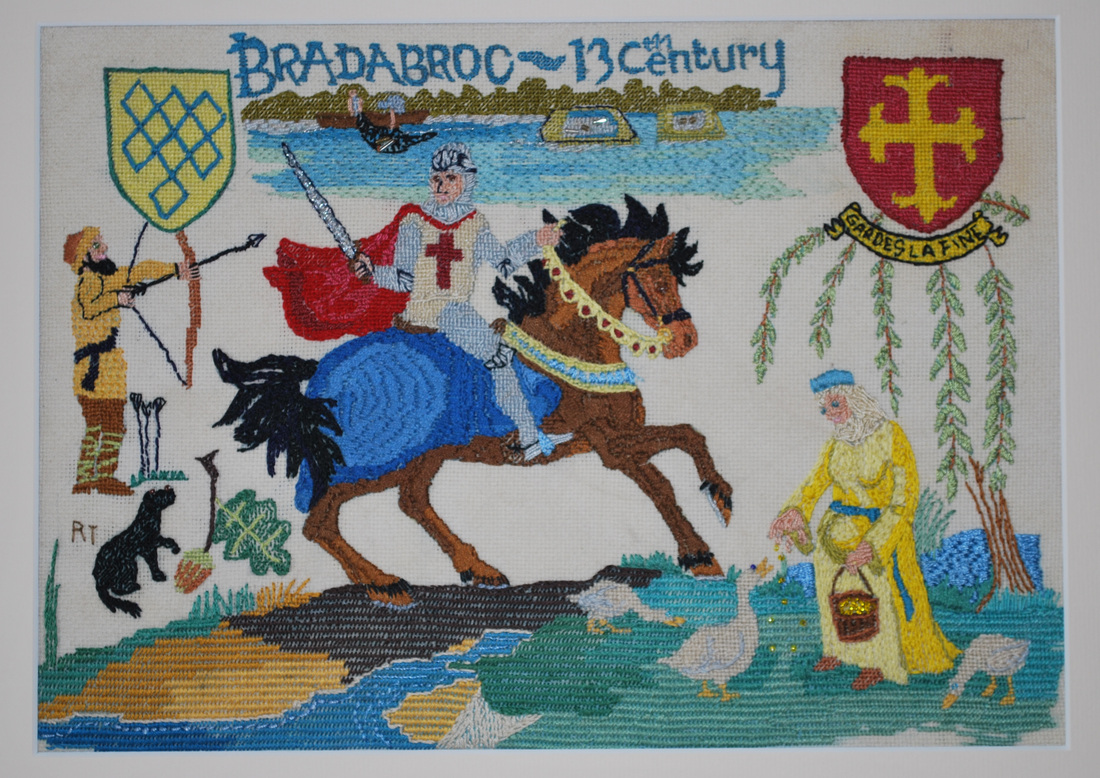
Braybrooke Tapestry
Ten needlework panels depicting 1000 years of village history, created by community members. On permanent display in Braybrooke Village Hall.
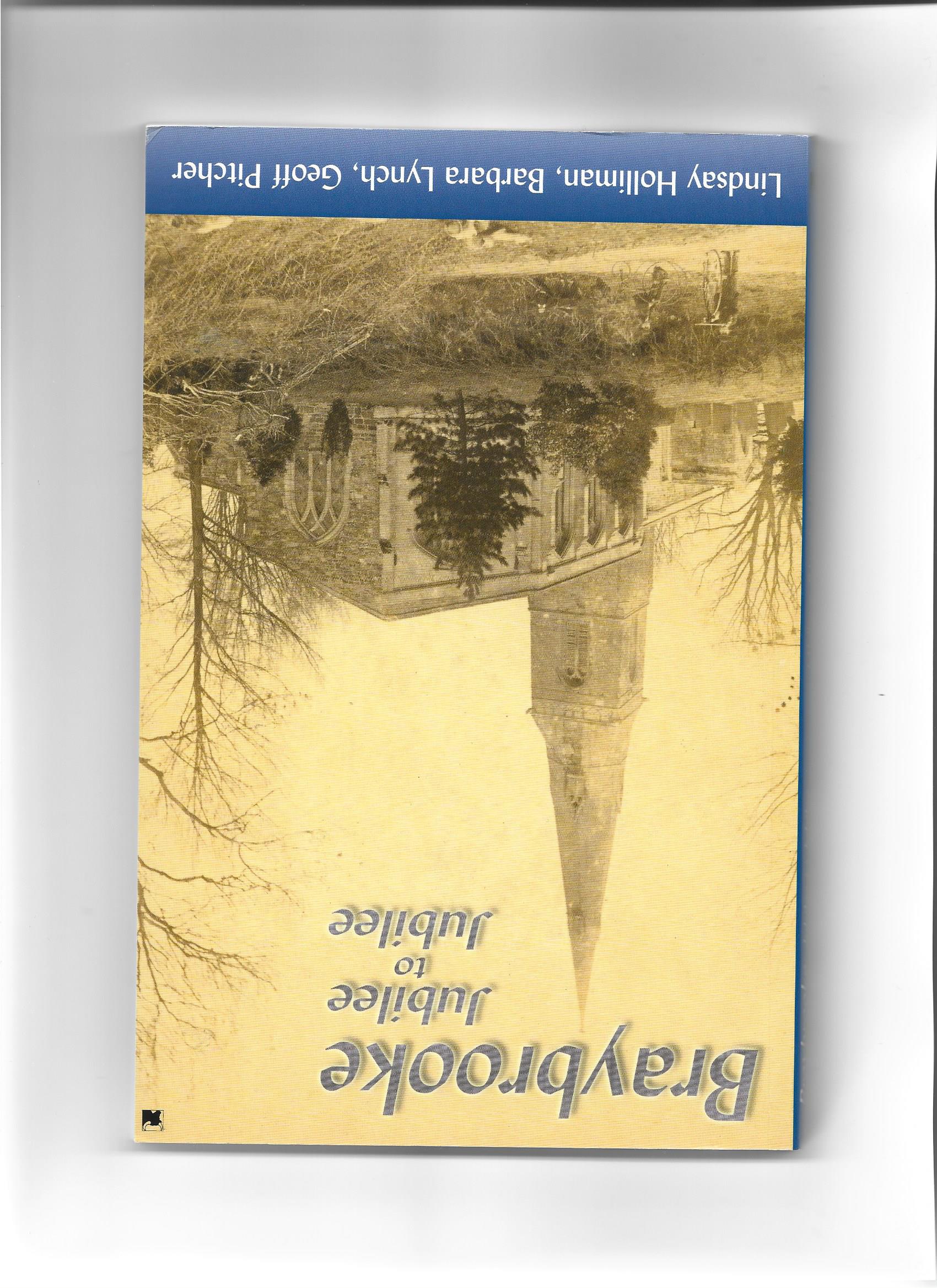
Jubilee to Jubilee
A photographic record from Queen Victoria's Golden Jubilee (1887) to Queen Elizabeth II's (2002). By Lindsay Holliman, Barbara Lynch and Geoff Pitcher. A copy is held at Market Harborough Library.
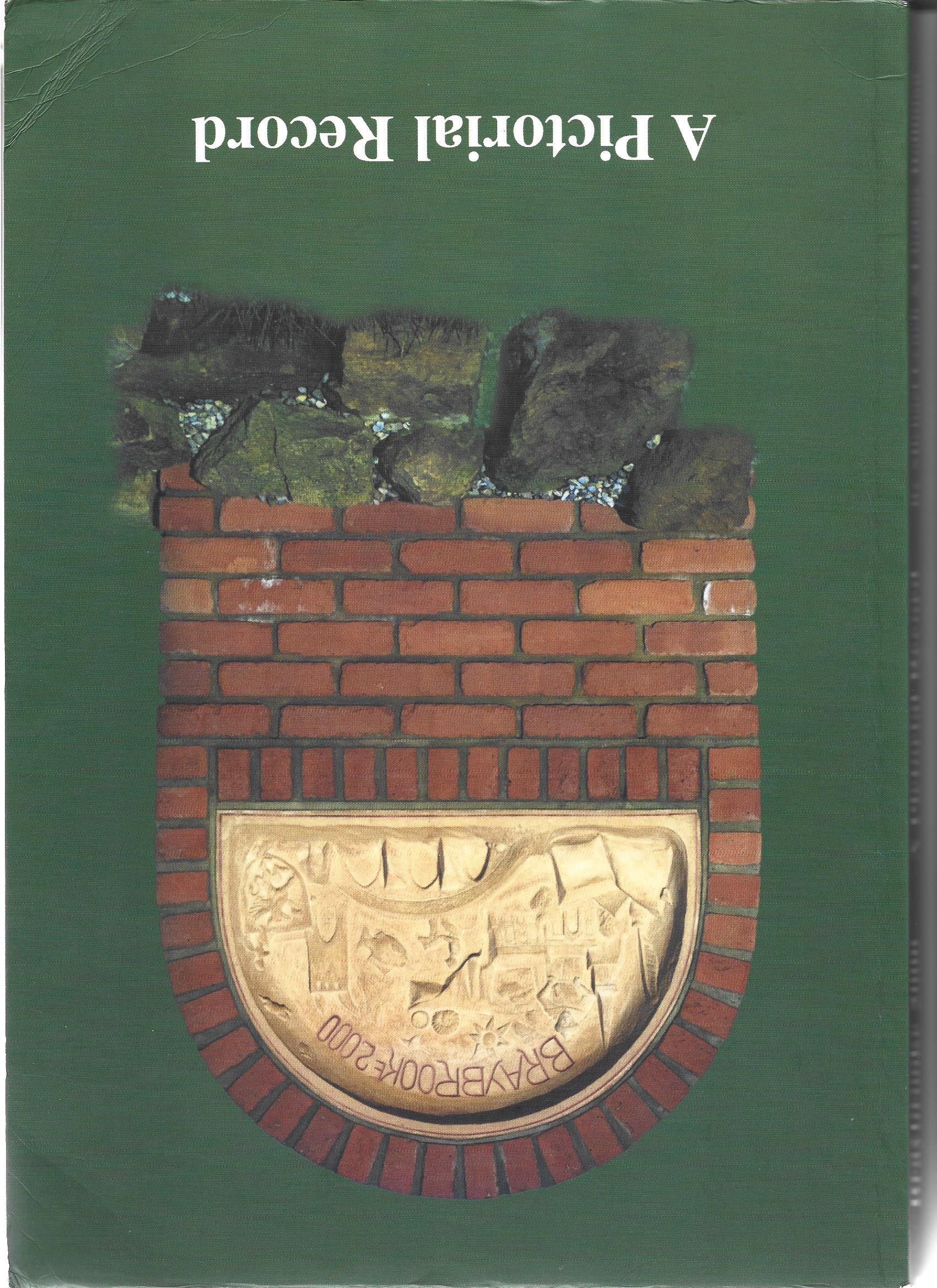
Braybrooke 2000
Photographs of all buildings and many residents at the millennium. A copy is held at Market Harborough Library.
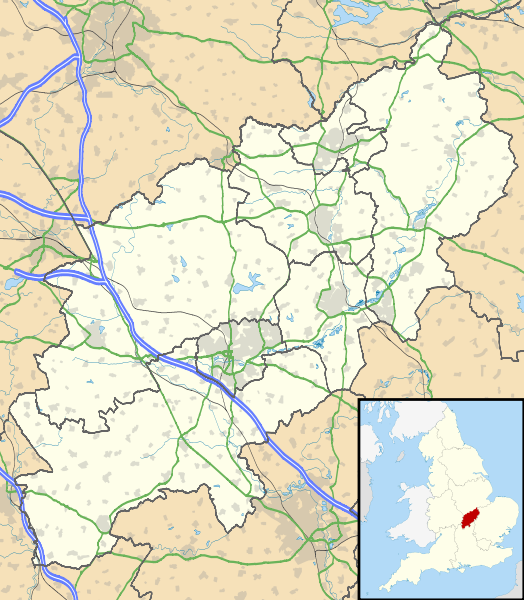
Parish Map
A hand-drawn map showing village layout, field names, and main buildings. A copy is on display in the village hall.
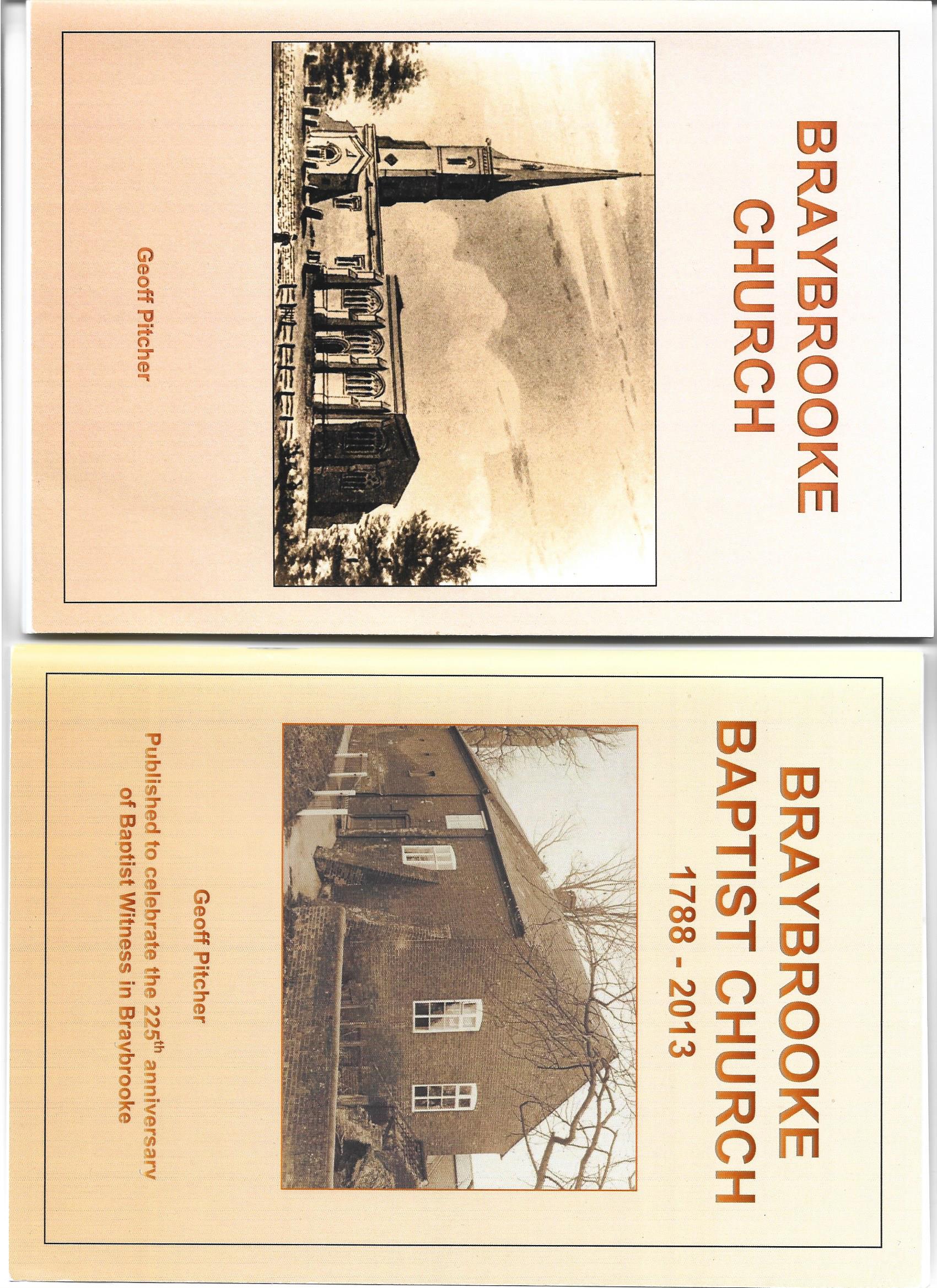
Church Guides
Two guides by Geoff Pitcher — All Saints Church (1978) and the Baptist Chapel (2013). Available to purchase locally.